Peppermint: The Refreshing Powerhouse for Community Health and Personal Care
Peppermint—a popular herb with a invigorating aroma and a history dating back centuries—has become a staple in everyday wellness routines. Its characteristic cooling sensation, aromatic freshness, and myriad health benefits make it an invaluable ingredient in natural remedies, skincare, haircare, and body & bath products. But peppermint’s influence goes beyond individual beauty; it also plays a significant role in community health and wellness. From its traditional medicinal uses to its modern-day applications, peppermint exemplifies how a single plant can positively impact both personal and collective well-being.
The Power of Peppermint for Community Health
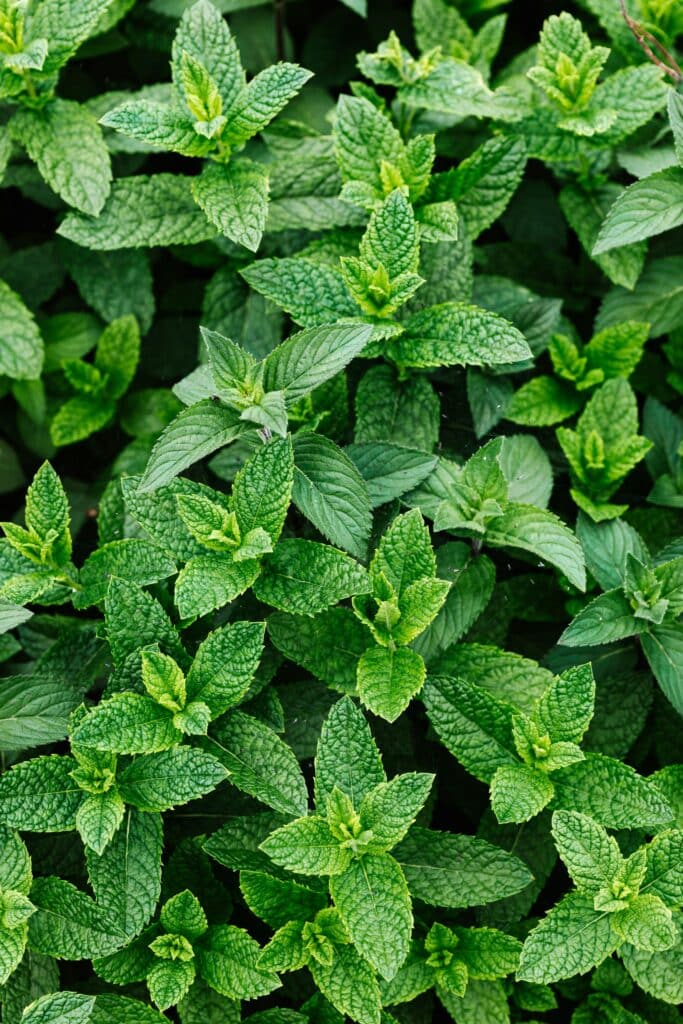
Peppermint (Mentha piperita), a hybrid of watermint and spearmint, is native to Europe and Asia but now cultivated worldwide. Its benefits are rooted in its rich chemical composition—mainly menthol, menthone, and flavonoids—that confer numerous health-promoting effects.
1. Relief from Respiratory and Digestive Issues
Peppermint tea or inhalation is widely used to alleviate symptoms of respiratory congestion, coughs, and colds. Menthol’s cooling effect helps soothe sore throats and clear nasal passages. Community health initiatives often include peppermint-based herbal remedies to support respiratory wellness, especially in regions with limited access to conventional medicine.
Digestive health is another area where peppermint shines. Peppermint oil is used to treat indigestion, bloating, and irritable bowel syndrome (IBS). The natural antispasmodic properties relax intestinal muscles, easing discomfort and promoting digestion—a benefit that can improve community health by reducing the prevalence of digestive ailments.
2. Stress Reduction and Mental Clarity
Aromatic peppermint has been shown to boost mental alertness, concentration, and reduce fatigue. In community settings, peppermint oil diffused in shared spaces or used in aromatherapy sessions can be a simple yet effective way to promote mental wellness, reduce stress, and enhance focus—particularly in schools, workplaces, and community centers.
3. Antimicrobial and Hygiene Benefits
Peppermint’s antibacterial and antiviral properties contribute to community health by helping control the spread of germs. Peppermint-based sanitizers and cleaning products are increasingly popular because they provide a natural, less harsh alternative to chemical disinfectants, making public spaces safer.
4. Alleviation of Headaches and Migraines
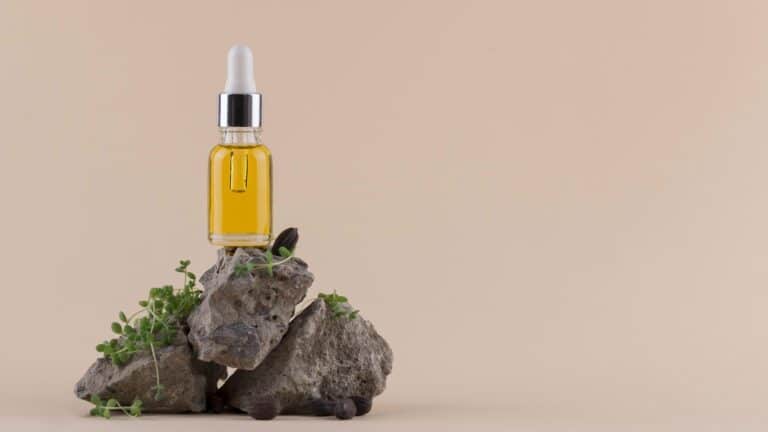
Peppermint oil is renowned for its use in natural headache relief. Applying a diluted peppermint oil on the temples or inhaling its vapors can quickly reduce tension headaches and migraines, offering community members a non-pharmacological relief option, especially in areas where access to medication might be limited.
Peppermint in Skincare: The Invigorating Touch
The cooling and antimicrobial properties of peppermint make it a favorite ingredient in skincare products, helping to refresh the skin and address common skin concerns.
1.Refreshing and Toning Skin
Peppermint’s cooling sensation invigorates tired and dull skin, giving a natural, refreshed glow. Its astringent qualities help tighten pores and reduce excess oil, making it ideal for oily and acne-prone skin types. Peppermint-infused toners, cleansers, and face masks are popular for their energizing effects.
2. Combating Acne and Bacterial Growth
Thanks to its antimicrobial properties, peppermint helps in reducing bacteria on the skin, preventing breakouts and acne flare-ups. It also soothes inflamed skin, reducing redness and irritation.
3. Relieving Itchiness and Skin Irritations
Peppermint’s cooling effect offers relief from itchiness caused by insect bites, rashes, or dermatitis. It also helps soothe inflammation and redness, promoting healthier skin.
4. Fighting Fungal Infections
Clinical studies have shown peppermint’s efficacy in combating fungal infections like athlete’s foot and dandruff. Its antifungal properties make it a natural ingredient in creams, powders, and shampoos designed to address fungal conditions.
Peppermint’s Role in Haircare: A Breath of Freshness
The invigorating scent and therapeutic benefits of peppermint extend beyond skin, offering significant advantages for hair and scalp health.
1. Stimulating Hair Growth
Peppermint oil improves scalp circulation, which stimulates hair follicles and encourages healthier hair growth. Its cooling properties can also help balance scalp oil production, preventing dryness and greasiness that hinder hair health.
2. Reducing Dandruff and Scalp Flakiness
Peppermint’s antimicrobial and anti-inflammatory effects help combat dandruff, scalp itchiness, and fungal infections. Using peppermint shampoos or scalp treatments can create a clean, refreshed scalp environment.
3. Adding Volume and Shine
By invigorating

The environmental impact of peppermint cultivation varies depending on farming practices, geographical location, and processing methods. Here are some key points regarding its environmental effects:
Positive Environmental Aspects of Peppermint Cultivation
Low Water Requirements: Peppermint is a perennial herb that generally requires moderate watering, making it suitable for cultivation in regions with access to adequate water resources. When grown sustainably, it does not demand excessive water use.
Natural Pest Resistance: Peppermint has natural pest-repellent properties, reducing the need for chemical pesticides. This characteristic supports organic farming practices and minimizes pesticide runoff that can harm local ecosystems.
Carbon Sequestration: Like other plants, peppermint absorbs CO₂ during photosynthesis, contributing to carbon capture and helping mitigate greenhouse gases when cultivated responsibly.
Agroforestry Compatibility: Peppermint can be integrated into agroforestry systems, promoting biodiversity, improving soil health, and preventing erosion.
Environmental Challenges and Concerns
Pesticide and Chemical Use in Conventional Farming: Unsustainable peppermint farming may involve pesticides and synthetic fertilizers, which can contaminate soil and water sources, adversely affecting local flora, fauna, and community health.
Water Consumption in Intensive Cultivation: While peppermint is relatively drought-tolerant, large-scale monoculture farms, especially in water-scarce areas, can contribute to water depletion and stress on local aquifers.
Land Use and Deforestation: Expanding peppermint plantations sometimes lead to deforestation or land conversion from natural ecosystems to agricultural land, threatening biodiversity and disrupting local habitats.
Chemical Waste and Processing: Post-harvest processing involves distillation and extraction, which may generate waste and consume significant energy, particularly if not managed sustainably.
Final Thoughts
Peppermint can be cultivated in an environmentally friendly manner that benefits ecosystems and communities when sustainable practices are prioritized. Consumers can support these initiatives by choosing products from brands committed to eco-conscious farming, organic cultivation, and ethical sourcing. Responsible cultivation not only preserves the plant’s benefits but also minimizes its ecological footprint—making peppermint a truly sustainable choice for a healthier planet.